








The secret to how the world’s wealthiest individuals grow and protect their fortunes in 2026 isn’t a single «magic» stock or a hidden tip. It is a philosophy rooted in structural resilience, professional discipline, and a departure from standard index-heavy portfolios.
While the average investor often relies on a simple mix of stocks and bonds, the ultra-wealthy employ a sophisticated, multi-layered strategy designed to survive market turbulence while capturing long-term growth.
1. The «Barbell Strategy» for Portfolio Construction
In 2026, the elite are increasingly adopting a Barbell Strategy. This approach balances two extreme ends of the risk spectrum to avoid the vulnerability of being stuck in the «middle.»
- The Growth Side: Allocating capital toward high-conviction, high-growth sectors like AI infrastructure, longevity-focused biotechnology, and private aerospace. This is where wealth is created.
- The Stability Side: Anchoring the portfolio with ultra-stable, inflation-resistant tangible assets—such as prime real estate, infrastructure, and high-quality gold or physical commodities. This is where wealth is preserved.
By stripping away the «average» investments in the middle, they ensure their portfolio is aggressive enough to beat inflation but protected enough to withstand geopolitical or market shocks.
2. Private Markets Over Public Indices
A defining feature of ultra-high-net-worth (UHNW) portfolios is their heavy allocation toward private markets. Unlike public stocks, which can fluctuate wildly based on daily news cycles, private equity and direct business ownership allow the wealthy to focus on long-term value creation.
- Illiquidity as a Feature: The wealthy view the inability to sell an asset instantly (illiquidity) as a benefit. It prevents «panic selling» during market downturns and forces a long-term holding period.
- Private Credit: By bypassing traditional banks and lending directly to enterprises, elite investors act as the «bank,» capturing higher yields with more favorable terms than are available to the general public.
3. Real Assets as the Ultimate Hedge
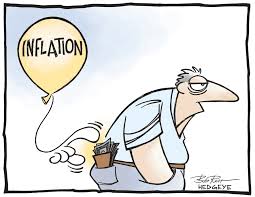
In 2026, cash is often viewed as a «depreciating liability» due to persistent inflation. Consequently, the wealthy prioritize hard assets that retain intrinsic value regardless of currency fluctuations.
- Ultra-Prime Real Estate: Real estate remains a cornerstone. The focus has shifted toward «trophy assets»—prestigious, high-demand properties in safe-haven regions (like the UAE or major global hubs) that act as both a store of value and a status symbol.
- Alternative Collectibles: Art, high-end timepieces, and luxury vessels are increasingly being treated as mobile, liquid-adjacent stores of value. They aren’t just «lifestyle» purchases; they are part of a diversified strategy to hedge against systematic market failures.
4. Geographic and Generational Diversification
Wealthy families no longer view their home country as their primary investment destination. Geographic diversification is used to mitigate the risk of local policy changes, tax hikes, or regional instability.
Furthermore, portfolios are now being tailored by generation:
- Older Generations: Focus on balanced portfolios, dividend income, and capital preservation to ensure smooth intergenerational wealth transfer.
- Next Gen Investors: Often show a higher appetite for digital assets, tokenized real estate, and venture capital, viewing these as the new frontier for multi-generational growth.
5. The «Professionalized» Mindset
Finally, the most significant difference between the wealthy and the average investor is process over prediction.
- Active Monitoring: The elite rarely make «set it and forget it» investments. They employ family offices and specialized managers who actively monitor their wealth, rebalancing portfolios and auditing performance against strict goal-oriented metrics.
- Professional Access: They utilize private investment platforms and expert networks to gain access to deals—like pre-IPO shares or bespoke real estate syndications—that are simply unavailable on public brokerage apps.
Summary Comparison: Wealthy vs. Typical Investor
| Feature | Average Investor | Wealthy Investor (2026) |
| Primary Focus | Public Stocks/ETFs | Private Equity & Direct Ownership |
| Strategy | Traditional 60/40 Split | «Barbell» (Growth + Hard Assets) |
| Liquidity | Highly Liquid (Daily Trade) | Strategic Illiquidity (Long-term) |
| Risk Mitigation | Broad Market Diversification | Hard Assets & Regional Allocation |
| Management | Self-directed / Robo-advisor | Family Office / Bespoke Managers |
Key Takeaway for Your Portfolio
You don’t need a billion dollars to adopt the mindset of the wealthy. You can start by:
- Thinking beyond the 60/40 split: Look into alternative assets or sectors that provide true diversification.
- Focusing on «Hard» Value: Ensure your portfolio includes assets that provide tangible utility, such as high-quality real estate or dividend-yielding infrastructure.
- Increasing your Time Horizon: Stop reacting to daily volatility and start investing for the next 10–20 years.
The role of «Impact Investing» and Climate Resilience in 2026
Beyond simple capital appreciation, the modern wealth management strategy of 2026 has integrated Impact Investing not as a moral preference, but as a sophisticated financial imperative. The wealthy have recognized that climate change and resource scarcity represent the single greatest long-term threat to global supply chains and economic stability. Therefore, they are shifting significant portions of their portfolios into companies that are building the «infrastructure of resilience.»
This is not «greenwashing» or passive CSR (Corporate Social Responsibility). It is an aggressive play on the transition to a resource-efficient economy. Elite investors are pouring capital into three specific, high-stakes areas:
- Desalination and Water Security: Water is rapidly becoming the «new oil.» Investors are funding private companies that specialize in high-efficiency desalination, industrial water recycling, and smart-irrigation infrastructure. They understand that regions facing water stress will see a decline in real estate value and industrial productivity, making investments in water technology a strategic hedge against regional collapse.
- Circular Industrial Processes: Waste is viewed by the wealthy as an inefficiency in the balance sheet. Companies that have successfully implemented «circular» supply chains—whereby raw materials are reclaimed, repurposed, and reused at a profit—are being rewarded with higher valuations. These firms are less susceptible to the wild price swings of raw commodity markets, providing a level of margin stability that traditional manufacturers cannot match.
- Decentralized Power Generation: Because of the instability in large, aging national power grids, wealthy portfolios now prioritize micro-grid technology and onsite renewable energy solutions for commercial industrial zones. By investing in the hardware that allows factories and data centers to generate their own power, they are effectively insulating their investments from grid failure, geopolitical energy shocks, and carbon-tax fluctuations.
The reason these investments are favored by the ultra-wealthy is that they possess «long-dated» value. Unlike tech stocks that can be rendered obsolete by a new software update, water infrastructure or efficient energy systems will be necessary for decades to come, regardless of the political climate or economic cycle. By aligning their capital with these long-term secular trends, the wealthy are effectively positioning themselves at the front of the next industrial revolution.
Furthermore, this approach allows for a unique form of «alpha» generation. Because many of these technologies are still in the early stages of mass commercialization, early-stage private equity and venture capital allocations in these sectors can yield returns that far outpace the broader market. The objective here is simple: by funding the solutions to the world’s most pressing physical constraints, the wealthy ensure that their capital remains indispensable to the global economy, thereby securing their wealth for the next generation. It is the ultimate combination of pragmatic risk management and forward-looking growth.