









Wealth is often misunderstood as the result of a singular «big break,» a lucky gamble, or a massive inheritance. In reality, for the vast majority of self-made wealthy individuals, fortune is the byproduct of a quiet, consistent, and relentless set of behaviors. While the average person focuses on earning more to spend more, the wealthy focus on building systems that work independently of their daily time.
In 2026, where the pace of economic change is faster than ever, these habits are not just suggestions; they are the fundamental differentiators between those who fall behind and those who build lasting, multi-generational prosperity. Here are the 10 money habits that separate the truly wealthy from everyone else.
1. They Prioritize «Net Worth» Over «Net Income»
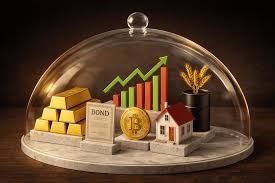
The average person defines their financial status by their paycheck—their net income. If they make more money, they feel «rich.» The wealthy, conversely, are obsessed with net worth: the total value of their assets minus their liabilities. They understand that a high salary can be wiped out by high taxes and high spending. Wealthy individuals focus on acquiring assets—stocks, businesses, real estate, and intellectual property—that grow in value over time. They don’t look for the biggest paycheck; they look for the biggest «equity» opportunity.
2. They View Debt as a Tool, Not a Crutch
Most people use debt to finance lifestyle upgrades—new cars, luxury vacations, or consumer electronics. This is «bad debt» that shrinks wealth. The wealthy use strategic leverage. They borrow money to buy assets that appreciate in value or generate cash flow, such as commercial real estate or business capital. If they can borrow at a 5% interest rate to buy an asset that returns 10%, they are effectively using other people’s money to get rich. They distinguish clearly between debt that sucks value from their life and debt that compounds it.
3. They Practice «Stealth Wealth»
There is a massive psychological difference between being wealthy and appearing wealthy. The truly affluent often live below their means, avoiding the «lifestyle creep» that ruins most high-earners. They don’t need a luxury brand to validate their success. By maintaining a modest public profile, they avoid the social pressure to spend on depreciating assets like status symbols. This allows them to keep their savings rate—the most important metric for building wealth—consistently high.
4. They Have Multiple Streams of Income
Relying on a single paycheck is the single most dangerous financial position in the modern economy. The wealthy have diversified their revenue. They own a business, they have a stock portfolio, they earn rental income from property, and they receive royalties from intellectual efforts. This «income stacking» ensures that if one sector of the economy crashes, they are not left destitute. They aren’t just working for money; they have created a «money machine» that earns while they sleep.
5. They Think in Decades, Not Pay Periods
The average investor reacts to the market’s daily headlines, worrying about a 5% dip in their brokerage account. The wealthy view the market in ten- or twenty-year blocks. They understand that compounding is a slow, boring, and powerful force. They don’t panic during recessions because they have the «staying power» to wait for the recovery. They treat their financial life like a marathon, while the rest of the world is sprinting in a race that has no finish line.
6. They Invest in Their «Human Capital» First
Before the wealthy invest in the S&P 500, they invest in themselves. They treat their health, their skills, and their network as their greatest assets. They know that a sharp, healthy mind and a high-value skill set are the primary drivers of their income. They spend money on mentors, specialized training, and physical well-being because they understand that they are the engine of their own wealth. If the engine breaks, the car stops.
7. They Delegate Everything That Isn’t «High Value»
Time is the only asset that cannot be bought, yet most people spend their time on low-value tasks like cleaning, administrative work, or DIY projects that cost more in «time-value» than they save. The wealthy prioritize their time for high-leverage activities: strategy, negotiation, and relationship building. They are willing to pay others to do the tasks that don’t move the needle on their financial goals. They understand the difference between being «busy» and being «productive.»
8. They Automate Their Success
Wealth is not maintained by willpower; it is maintained by systems. The wealthy automate their savings and their investments. They have systems that move money into their brokerage accounts the moment a paycheck hits their bank. By removing the need for daily decision-making, they eliminate the «willpower tax.» If you have to choose to save money every month, you will eventually fail. If you build a system where the money is gone before you see it, you will succeed.
9. They Embrace «Strategic Risk»
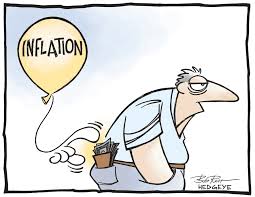
Most people are terrified of losing money, so they keep everything in a savings account, effectively losing to inflation. The wealthy are not «risk-averse»; they are «risk-aware.» They understand that the greatest risk is not losing a little money, but failing to grow it enough to beat inflation and taxes. They take calculated risks—putting capital into new businesses, private markets, or emerging technologies—with a clear understanding of the downside. They manage risk through diversification and due diligence, not by hiding from it.
10. They Focus on «Who» Instead of «How»
When the average person wants to start a business or invest in a new area, they ask, «How do I do this?» They start reading books and trying to learn every detail. The wealthy ask, «Who can help me do this?» They leverage the expertise of accountants, lawyers, tax strategists, and specialized investment managers. They know that they don’t need to be the smartest person in the room; they just need to surround themselves with the right people who can execute the strategy.
Conclusion: The Shift in Mindset
The difference between the wealthy and everyone else isn’t just a bank account balance; it is a fundamental shift in perspective. The wealthy see money as a tool to buy freedom, while everyone else sees money as a means to buy consumption.
To shift your own trajectory in the second half of 2026, you must stop viewing your income as a reward and start viewing it as «seed capital.» Every dollar you receive is a small soldier that can either be sacrificed in a store or sent into the market to earn its keep. If you can adopt these ten habits—prioritizing net worth, using debt wisely, living below your means, and thinking in long-term cycles—you aren’t just hoping for wealth; you are building the architecture of it.
Start small. Automate your savings today. Stop trying to look rich and start becoming free. The path is open to anyone willing to trade instant gratification for long-term power.
Key Summary Table: The Wealthy Mindset
| Habit | Average Mindset | Wealthy Mindset |
| Income | Focus on salary | Focus on equity and passive income |
| Debt | Consumer debt (liabilities) | Strategic debt (leverage for assets) |
| Time | Spend time to save money | Spend money to save time |
| Risk | Avoid risk completely | Take calculated, manageable risks |
| Decision | «How can I do this?» | «Who can help me do this?» |
Disclaimer: This article is for informational purposes only and does not constitute financial or tax advice. Always consult with a qualified professional regarding your specific financial situation.