







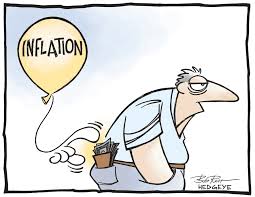
nflation is the silent thief of the financial world. It doesn’t break into your vault and steal your cash; instead, it slowly erodes the value of every dollar, euro, or pound you hold, month after month. As we move deeper into 2026, the economic reality is clear: inflation is no longer a temporary fluctuation but a structural feature of the global economy. If your savings are sitting stagnant in a low-interest bank account, you are effectively paying a «hidden tax» on your own net worth.
Why «Cash Safety» Is a Myth in 2026
For decades, the standard advice was to keep a healthy «rainy day fund» in a savings account. While liquidity is essential for emergencies, holding excess cash during periods of sustained inflation is a losing strategy. When the cost of energy, food, housing, and services rises faster than the interest paid by your bank, your purchasing power declines.
In 2026, inflation is driven by complex, interconnected factors: global supply chain restructuring, higher labor costs, geopolitical fragmentation, and increased regulatory pressure on capital. This means that «safe» cash is rapidly losing its value in real terms. To preserve your wealth, you must move from a mindset of saving to a mindset of allocating.
The Pillars of Inflation-Proofing Your Portfolio
Protecting your capital doesn’t mean taking reckless risks; it means shifting your assets into vehicles that naturally adjust to the rising cost of living. Here are the core strategies the smart money is using in 2026.
1. Real Estate: The Time-Tested Shield
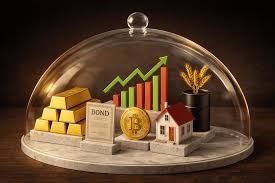
Real estate remains the gold standard for inflation protection. Why? Because property has «utility value»—people always need a place to live, and businesses always need space to operate.
- Built-in Adjustments: Rental income is one of the few revenue streams that can be adjusted upward as the cost of living increases. When the CPI (Consumer Price Index) rises, landlords have the leverage to increase rents, ensuring their income stream maintains its real value.
- Appreciation: Historically, property values have tracked closely with inflation. By owning tangible land and structures, you are holding an asset that cannot be «printed» or devalued by central bank policy.
2. Dividend-Paying Blue Chip Stocks
Not all stocks are created equal in an inflationary environment. Investors are flocking to «Blue Chip» companies—established firms with high pricing power. Companies that provide essential goods or services can pass on increased costs to consumers without losing market share. If you own shares in a company that is a market leader, you benefit from their ability to maintain their profit margins even when inflation spikes. Furthermore, consistent dividend payments provide a «cash yield» that can be reinvested to compound your wealth.
3. Commodities and Hard Assets
Commodities—such as energy, metals, and agricultural products—are the raw materials that drive inflation. When prices rise, commodities are often the cause of the rise. By holding exposure to these assets, you are essentially «buying the inflation.»
- Gold and Precious Metals: Gold continues to act as a global store of value. It has no counterparty risk and is not dependent on the health of any specific government or corporation.
- Strategic Commodities: As the world moves toward new energy infrastructure, exposure to metals like copper or lithium, as well as traditional energy sources, offers a hedge against the volatile cost of production.
4. TIPS and Inflation-Linked Bonds
For the more conservative investor, Treasury Inflation-Protected Securities (TIPS) are designed specifically to combat this issue. Unlike traditional bonds, the principal value of a TIPS bond increases with inflation (as measured by the CPI). While they won’t make you rich overnight, they act as an excellent «ballast» for your portfolio, ensuring that your principal doesn’t vanish in real terms.
Advanced Strategies: Managing Volatility
For those with a higher risk tolerance, simply holding assets isn’t enough; you may want to actively manage your exposure.
- Options Trading as Insurance: Advanced investors use options to hedge against market downturns. For instance, «protective puts» allow you to insure your long-term equity positions. If the market drops due to an inflationary shock, your put options gain value, offsetting the losses in your core portfolio.
- Geographic Diversification: In 2026, don’t rely solely on your home country’s economy. High inflation is often a local or regional phenomenon. By diversifying your real estate holdings or business interests across different jurisdictions—such as emerging markets with strong demographic growth—you mitigate the risk of a single currency losing its value.
Common Mistakes to Avoid
The biggest danger during inflationary periods is passivity. Here are the pitfalls that catch most retail investors:
- Holding Large Idle Cash Balances: Cash is for emergencies, not for wealth storage. If you have more than 6–12 months of living expenses in a low-yield account, you are losing money every day.
- Chasing «Cheap» Assets: Just because a property or a stock is cheap doesn’t mean it’s a good hedge. You want assets with high demand, high utility, and professional management.
- Ignoring Liquidity: Don’t tie up all your capital in assets you cannot sell. Ensure a portion of your portfolio is accessible, even if it’s in a high-yield money market fund that tracks current interest rates.
- Emotional Rebalancing: Don’t sell your growth assets just because the headlines are scary. Inflation requires a long-term perspective; stay invested in assets that have fundamental value.
Conclusion: The Path Forward
Inflation is a challenge that demands a structural response. You cannot «wait out» inflation if your capital is sitting in a currency that is being debased. The winners of 2026 are those who have stopped viewing their wealth in nominal terms and started viewing it in real terms.
By building a diversified portfolio—anchored in real estate, dividend-paying equities, and hard assets—you are not just protecting yourself from the silent thief; you are positioning your capital to grow alongside the global economy. Inflation rewards those who have a plan and punishes those who wait. Start shifting your strategy today, prioritize tangible assets, and ensure your wealth is structured to survive, and thrive, in the years to come.
Disclaimer: This article is for educational purposes and does not constitute financial or tax advice. All investments carry risk. Always perform your own due diligence or consult with a qualified financial advisor before making significant changes to your portfolio.
Stay ahead of the inflation curve. Subscribe to our newsletter for weekly updates on how to adjust your asset allocation for the current economic climate