









In the modern economic landscape of 2026, we are witnessing a phenomenon that is as common as it is misunderstood: the «High-Income Fragile.» These are professionals—surgeons, tech executives, consultants, and lawyers—who earn salaries that place them in the top 5% of earners, yet who are one or two missed paychecks away from total financial ruin.
This disconnect between income and wealth is the defining trap of the current era. It reveals a hard truth: Income is a cash flow; wealth is a balance sheet. Earning a high income provides the opportunity to become wealthy, but if the underlying structural foundation is built on fragility, a high salary is merely a faster treadmill, not a path to freedom.
1. The Trap of «Income Dependency»
The primary reason high earners are often fragile is that their entire financial existence is coupled to a single source of revenue.
When your lifestyle—your mortgage, your private school tuition, your luxury vehicle leases—is calibrated to a high salary, you lose the ability to say «no.» You become a captive to your employer or your clients. This is the definition of financial fragility. If your income depends on your ability to work 60 hours a week, you aren’t wealthy; you are a high-priced employee.
True wealth is the ability to maintain your standard of living without needing to trade your time for money. If you stop working tomorrow and your lifestyle collapses within six months, you have high earnings, but you have zero net worth in terms of genuine independence.
2. The Illusion of Affluence (Lifestyle Creep)
There is a toxic psychological feedback loop where high earners equate «spending capacity» with «wealth.» Because they can afford high-end consumption, they indulge in it. This is lifestyle creep.
As their income rises, their «Fixed-Cost Burn Rate» rises in tandem. They end up with:
- Illiquid Status Symbols: Large homes and luxury cars that provide zero cash flow and high maintenance costs.
- The Debt Lever: Using their high income to qualify for massive debt (mortgages, leverage for investments) makes them hypersensitive to interest rate hikes and economic downturns.
The «Wealthy» individual understands that every dollar spent on a status symbol is a dollar that stops working for them. The «High Earner» sees that same dollar as a validation of their success.
3. The Fragility of the «Active» Balance Sheet
Financial fragility stems from the structure of your assets. High earners often make the mistake of investing in «Active» Assets—those that require constant management, market participation, or specific career performance.
If your «wealth» consists entirely of company stock options, high-risk venture bets, or a business you manage yourself, you have created a correlated portfolio. If the economy hits a recession, your career prospects, your company stock, and your bonuses all crash simultaneously.
True wealth is anti-fragile. It is constructed through diversification across:
- Passive Income Generators: Assets that produce cash flow regardless of whether you are working or the economy is in a downturn.
- Hard Assets: Inflation-hedging instruments that preserve value when fiat currency is being debased.
- Geographic Independence: Assets that aren’t tied to the fiscal or legal jurisdiction of your employer.
4. Why «Saving» is Not «Wealth-Building»
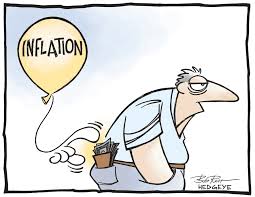
Many high earners pride themselves on «saving a lot.» They put 20% of their income into a savings account or a low-yield bond fund. In 2026, with inflationary pressures, this is a path to mediocrity.
Wealth is built through capital allocation, not just capital accumulation. The high earner saves to be «safe»; the wealthy individual allocates to be «productive.» If your savings aren’t generating a return that beats the combined rate of inflation and taxes, you are effectively watching your wealth evaporate in slow motion.
5. The Path to Anti-Fragility: From Income to Wealth
To escape the fragility of high income, you must fundamentally restructure your financial DNA:
- The «Live-on-Half» Rule: Regardless of whether you earn $100k or $1M, commit to living on 50% of your net income. This creates a massive capital surplus that can be deployed into productive assets.
- Define the «Freedom Number»: Calculate the annual cost of your essential life. Wealth begins when your assets generate enough cash flow to cover that number. Anything above that is a choice, not a necessity.
- Build «Uncorrelated» Income Streams: Do not rely on your career bonus to fund your retirement. Build a portfolio of income-producing assets (tokenized real estate, private credit, dividend-paying equities) that operate independently of your 9-to-5.
- Prioritize Ownership: The wealthy own assets; high earners trade labor for cash. The goal is to gradually shift your ratio—from 100% labor-based income to 100% asset-based income.
Conclusion: The Dignity of Sovereignty
The irony of the high-earner trap is that it often feels like success. You have the lifestyle, the car, and the title. But beneath the surface, you are living a life of quiet desperation, tethered to a system you cannot control.
Financial fragility is not a lack of money; it is a lack of sovereignty. To become wealthy is to build a wall between your existence and the market’s volatility. It is the transition from being a «highly paid participant» in the economy to being an «owner» of the economy. Start by looking at your balance sheet today: are you accumulating wealth, or are you just accumulating the appearance of it?
Strategic Checklist for the High-Earner:
- Audit your Burn Rate: If your income were halved tomorrow, how long would your current lifestyle last?
- Audit your Assets: How much of your net worth is «trapped» in your career (stock options, business ownership)?
- Audit your Diversification: Does your portfolio look like the S&P 500, or does it hold assets that actually protect you in an inflationary, multipolar world?