









In the volatile macroeconomic landscape of 2026, where geopolitical fragmentation, fiscal instability, and the weaponization of trade have become the new normal, «passive» investing is no longer a sound strategy. To protect your capital, you must transition from a passive saver to a strategic allocator.
Financial self-defense is not about hoarding cash; it is about building a structure that is resilient to systemic shocks. As we navigate a multipolar financial order, the old reliance on centralized «safe havens» is increasingly dangerous. True security now requires a fundamental reimagining of how, where, and why you hold your wealth.
Pillar 1: Jurisdictional Diversification (The «Flag» Defense)
In a world of increasing state interventionism—where governments are more likely to implement capital controls, export restrictions, or aggressive tax mandates—storing all your wealth in one country is a single point of failure.
- Geographic Arbitrage: You must decouple your assets from your physical residence. If you live in a high-tax or politically volatile jurisdiction, ensure your liquid capital and investments are held in «neutral» jurisdictions (such as Switzerland or Singapore) that prioritize property rights, legal stability, and currency resilience (e.g., Swiss Francs or Singapore Dollars).
- Asset Location: Diversify where your business is incorporated, where you bank, and where your physical assets reside. This prevents a single government’s policy shift from freezing your total net worth.
- Compliance and Sovereignty: Diversification is not evasion; it is prudent risk management. By utilizing compliant, multi-jurisdictional structures—such as tax-aware international accounts—you create a legal buffer between your assets and the political volatility of your home base.
- The Goal: To ensure that even if one state faces a crisis, your ability to conduct business and maintain your lifestyle remains intact. Your wealth should be «portable,» not «stationary.»
Pillar 2: Monetary Neutrality (The «Hard Asset» Anchor)
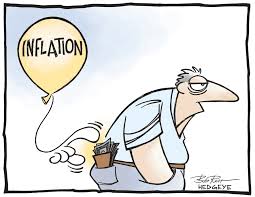
The era of the «unipolar dollar» is fading as nations seek alternatives for trade and reserves. In an environment of currency debasement and inflationary pressure, you cannot rely solely on fiat currencies to preserve value, as even the U.S. dollar is subject to the fiscal pressures of a ballooning national debt.
- Hard Asset Allocation: Anchor your portfolio with assets that rely on no issuer’s solvency—specifically physical gold and, for those with higher risk tolerances, Bitcoin. These act as the «anti-dollar» or «anti-fiat» layer of your portfolio, providing a hedge against the inevitable erosion of purchasing power.
- Multi-Currency Exposure: Move beyond USD-only holdings. A balanced currency basket—including currencies of nations with conservative monetary policies and low debt-to-GDP ratios—mitigates the risk of sudden USD volatility and provides a buffer against local inflation.
- The «Convenience Yield» Erosion: Recognize that the «safety» of traditional bonds is eroding. In a fragmented world, safe assets are no longer universal; they are functions of a specific central bank’s perimeter. By holding hard assets, you move outside the perimeter of any single bank’s control.
- The Goal: To maintain purchasing power that is independent of any single central bank’s fiscal mismanagement or inflationary policy.
Pillar 3: Structural Resilience (The «Operational» Defense)
The final pillar is the architecture of your business and personal cash flow. In 2026, agility is the ultimate competitive advantage, but it must be built on a foundation of operational redundancy.
- Supply Chain & Income Decoupling: Whether you are an entrepreneur or an employee, avoid reliance on a single revenue stream, especially one tied to an industry vulnerable to «de-globalization» or trade wars. Build «uncorrelated» income—diverse sources that do not all crash if the geopolitical climate turns.
- Digital Sovereignty: As AI-driven cyber conflict and state-level digital intervention increase, self-custody of your essential data and digital assets is non-negotiable. Use decentralized infrastructure and non-custodial solutions to ensure you are not locked out of your own capital by a «permissioned» financial system.
- Operational Redundancy: Just as you diversify your investments, diversify your «back office.» If your business relies on local infrastructure that could be affected by political unrest, consider how you can move critical operations to more stable digital or physical zones.
- The Goal: To create an «anti-fragile» operational structure that can survive—and even thrive—during periods of localized economic disruption.
The Psychology of the Defensive Allocator
Beyond the structural pillars, financial self-defense requires a mindset shift. You must move away from the «set it and forget it» mentality that defined the previous era of stability.
- From «Saving» to «Stewarding»: Saving is passive; stewardship is active. Treat your wealth as an entity that needs protection, insurance, and regular audits against geopolitical risks.
- Anticipating Friction: Assume that trade routes, digital payments, and regulatory environments will face intermittent friction. Build your life and finances to be «friction-agnostic»—meaning your baseline operations can continue even if the global system experiences «glitches.»
- Active Monitoring: Just as you would maintain a house to prevent decay, perform a quarterly «Geopolitical Audit» of your portfolio. Ask: «If my home country implemented a 20% capital tax or a currency restriction tomorrow, what is the exact mechanism by which my capital remains accessible?»
Summary: The «NAVI» Strategy
The 2026 outlook is «NAVI»—a world rewired for risk and resilience. Your personal financial self-defense should mirror this:
- Navigate: Proactively address vulnerabilities by mapping where your wealth is most «tethered» to single risks.
- Adapt: Shift your asset allocation away from purely U.S.-centric or traditional 60/40 models toward globally diversified, hard-asset anchors.
- Verify: Regularly audit your legal, tax, and jurisdictional setup to ensure it remains compliant but independent.
- Insulate: Build «firewalls» between your various assets (business entities, offshore accounts, personal holdings) so that a failure in one area does not permeate the rest of your life.
Financial self-defense in 2026 is ultimately about optionality. The more you can move, store, and grow your wealth independently of the political and monetary fortunes of any single nation-state, the more secure your future becomes. True sovereignty in the 21st century is the ability to operate outside the «perimeter» of failure.
Disclaimer: This analysis is for educational purposes regarding geopolitical and macroeconomic trends as of May 2026. Financial sovereignty strategies involve complex legal, tax, and regulatory considerations. Always consult with qualified international legal and financial advisors before implementing structural changes to your wealth or residency status.