








For the better part of three decades, global investors operated under a Pax Monetaria. The U.S. dollar was the undisputed sun around which all other financial planets orbited—serving as the primary medium of exchange, the default reserve asset, and the ultimate safe harbor. However, as of mid-2026, the financial order has undergone a structural pivot toward a multipolar reality.
The weaponization of trade, the rise of regional economic blocs, and the persistent pressure of ballooning U.S. fiscal deficits have forced sovereign states—particularly within the BRICS+ alliance and the Global South—to accelerate the transition toward alternative payment rails. For the retail and institutional investor, this is no longer a theoretical debate; it is a fundamental disruption. A portfolio concentrated entirely in USD-denominated assets is now, by definition, a portfolio with significant «geopolitical beta.» Shielding your wealth in this new era requires moving beyond the traditional 60/40 model and embracing a strategy of monetary and geographical neutrality.
1. The Catalysts of «De-Dollarization 2.0»
While pundits have predicted the dollar’s demise for years, the current period represents a shift from rhetoric to operational reality. This second wave of de-dollarization is driven by three primary structural forces:
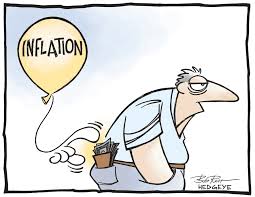
- Fiscal Fragility and Bond Vigilantism: The United States’ gross federal debt levels have climbed to historic highs, and the cost of servicing this debt now rivals its defense budget. As global central banks grow wary of potential currency debasement and inflationary pressures, they are increasingly rotating out of U.S. Treasuries.
- The Weaponization of Sanctions: The freezing of sovereign reserves served as a wake-up call for nations globally. The fear of being excluded from the dollar-based SWIFT system has incentivized the development of parallel payment systems (such as mBridge) and local-currency trade settlements, effectively bypassing the greenback for bilateral trade.
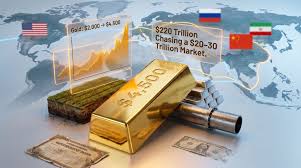
- Central Bank Gold Accumulation: Throughout 2026, central banks—led by China, India, and Turkey—have continued to hoard physical gold at record rates. Gold has transitioned from a «barbarous relic» back to a core tier-one reserve asset that relies on no issuer’s solvency. For the individual investor, this institutional signal is clear: hard assets with intrinsic value are once again the foundation of monetary stability.
2. Portfolio Shielding: A Defensive Architecture
In an environment of monetary fragmentation, the traditional reliance on U.S.-centric assets exposes investors to systemic risks that are no longer offset by simple market growth. Shielding your wealth requires a transition toward geopolitical neutrality.
A. Gold and Commodity Anchors
Gold acts as the «anti-dollar» in a multipolar order. Because it is universally recognized and sovereign-independent, it serves as the ultimate hedge against both currency devaluation and geopolitical conflict.
- Strategic Positioning: Maintain a «core-satellite» approach. Hold physical bullion as a long-term anchor, using commodity-backed ETFs for liquidity. As governments prioritize the accumulation of strategic stockpiles, gold’s role as a defensive asset within a diversified portfolio has never been more relevant.
B. Multi-Currency Diversification
A multipolar world necessitates a multi-currency portfolio. Relying solely on the dollar exposes your purchasing power to the volatility of U.S. monetary policy.
- The Safe Havens: The Swiss Franc (CHF) remains a resilient currency backed by monetary conservatism, while the Singapore Dollar (SGD) offers exposure to a trade-centric, highly stable economy.
- Tactical Advice: Shift a portion of cash reserves into multi-currency accounts, creating a buffer against sudden USD fluctuations and ensuring your portfolio is not pegged to a single nation’s fiscal trajectory.
C. Bitcoin as a Digital Reserve Asset
Bitcoin has evolved beyond a speculative tech play; in 2026, it is increasingly treated as a «digital reserve asset.» Its fixed supply and borderless nature make it a unique hedge for the «sovereign individual» who wishes to protect capital from the reach of any single nation-state’s capital controls or debasement policies.
- Tactical Approach: View Bitcoin as a binary hedge against fiat systemic failure. Its performance often serves as a barometer for liquidity and debasement fears.
3. Investing in the «Multipolar» Growth Sectors
The shift toward a fragmented world is creating targeted investment opportunities. Governments are no longer prioritizing global efficiency; they are prioritizing «just-in-case» national security and industrial autonomy.
- Critical Minerals and Resource Sovereignty: The race for lithium, copper, and rare earth elements is the new «oil.» Western governments are deploying significant policy and capital support for domestic refining and sourcing. Investors should look for exposure to companies that provide the building blocks for energy transition and high-tech manufacturing, as these are now treated as «critical infrastructure.»
- Defense and Strategic Security: With a sustained cycle in global defense spending, companies specializing in autonomous systems, aerospace, and border security are moving from «niche» to «essential.» These firms are beneficiaries of the return to great power competition and regionalized military supply chains.
- Tech Localization: As nations decouple their technology stacks to ensure data and digital sovereignty, companies enabling local infrastructure, 5G/6G regionalization, and sovereign cloud capabilities are seeing increased government backing and long-term supply contracts.
4. The Geopolitical Audit: A Checklist for 2026
Before you rebalance your portfolio, conduct a «geopolitical audit» of your assets:
- Currency Exposure: Is more than 70% of your net worth in USD? If so, you are overweight the dollar relative to the global economy. Diversify into other reserve currencies or commodity-backed assets.
- Asset Jurisdiction: Are all your assets held within the financial jurisdiction of your home country? Consider «asset flagging»—storing a portion of your wealth in neutral, stable jurisdictions like Switzerland or Singapore to protect against domestic fiscal overreach.
- Supply Chain Resilience: Does your portfolio rely on companies vulnerable to U.S.-China decoupling? Balance these with companies that have diversified, regionalized supply chains, even if they are slightly less «efficient» in the short term.
- Material Exposure: Do you have exposure to the critical minerals necessary for the «industrial autonomy» of your region? Governments are underwriting these sectors, making them a lower-risk play in a period of geopolitical volatility.
Conclusion: The Era of Strategic Neutrality
The decline of unipolar finance does not mean the end of the global economy; it signifies the end of the era where holding a simple S&P 500 index fund was the sufficient strategy for prosperity. In a multipolar order, the winning strategy is strategic neutrality.
By diversifying your currency exposure, anchoring your wealth with hard assets, and investing in the industries that governments now treat as «critical infrastructure,» you shield your wealth from the inevitable friction of this transition. While the U.S. dollar will likely remain a dominant force for some time, the prudent investor in 2026 prepares for a world where that dominance is no longer a given. True security in a fragmented world comes from the ability to move, store, and grow capital independently of the political and monetary fortunes of any single nation-state.
Disclaimer: This analysis is for educational purposes and reflects geopolitical trends as of May 2026. Investment involves significant risk. Consult with a qualified international wealth advisor before implementing complex jurisdictional or currency strategies.