








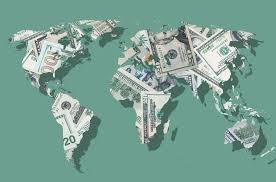
For the better part of a century, your tax liability was determined by where you were born or where your employer was located. You lived, worked, and paid taxes in one jurisdiction. In 2026, that era is effectively over for the modern professional. We are witnessing the rise of the «Sovereign Individual»—a class of remote entrepreneurs, high-net-worth investors, and digital professionals who have decoupled their productivity from their physical location.
As governments worldwide tighten their fiscal belts and modernize tracking through biometric systems and automated tax platforms, the «geography of wealth» has become a strategic game. To remain sovereign in 2026, you cannot simply be a «tourist» with a laptop; you must be an architect of your own legal and fiscal environment.
1. The New Rules of Global Mobility
The year 2026 marks a turning point where being a digital nomad is no longer a «grey area» lifestyle; it is a formalized legal status. Over 65 countries have now implemented specific digital nomad visa regimes. However, this formalization is a double-edged sword:
- The Regulatory Tightening: While visas are easier to obtain, enforcement is more aggressive. Tax authorities are using cross-border data sharing (CRS/AEOI) to identify those who treat residency like a revolving door.
- The «183-Day Trap»: The most common mistake in 2026 is accidentally becoming a tax resident in a high-tax jurisdiction by losing track of your days. Nomad-friendly visas often exempt you from local income tax, but they do not exempt you from the residency laws of the countries you visit.
2. Sovereign Individual Theory in 2026
The core tenet of the Sovereign Individual theory is that your labor is a portable asset. If you can move your «production» to a low-tax or tax-neutral jurisdiction, you effectively grant yourself a significant raise.
The strategy currently favored by the top 1% of location-independent earners is «Separation of Entities»:
- Physical Presence (Lifestyle Hub): You live in a country for its lifestyle, infrastructure, and safety (e.g., a high-lifestyle European hub like Spain or Greece).
- Corporate Entity (Tax Hub): You run your business through a low-tax jurisdiction (e.g., Bulgaria with its 10% flat tax or a specialized UAE free-zone entity).
- Asset Storage: Your wealth is stored in jurisdictions that respect asset protection and privacy, often outside the immediate reach of the tax jurisdiction where you currently reside.
3. Strategic «Flag Theory» for the Modern Era
«Flag Theory» suggests you should «plant flags» in different countries to minimize risk and maximize freedom. In 2026, the application looks like this:
- Passport Flag: Hold a second passport to ensure freedom of movement (e.g., through investment or ancestry).
- Residency Flag: Maintain residency in a country that offers a beneficial tax regime (e.g., the Cypriot «non-dom» status or Greece’s 50% income tax reduction incentive).
- Business Flag: Incorporate your remote business where administrative costs are low and taxes are territorial (e.g., Bulgaria, UAE, or specific Caribbean hubs).
- Asset Flag: Bank and hold investments in a stable, neutral jurisdiction that offers strong legal protection for foreign assets.
4. The «Base Strategy»: Why You Need a Home
Many nomads fail by being «stateless» in the eyes of the tax man. Many countries now apply a «tie-breaker» rule: if you don’t have a clear «center of vital interests» (like a permanent home or family), they may claim you as a tax resident of the country where you spent the most time.
The smart money in 2026 is moving toward «Permanent Residency Plans.» Instead of roaming aimlessly, successful individuals are securing «Non-Domiciled» status or long-term visas in countries like Cyprus or Malta. These offer a hybrid: you pay tax only on income remitted to the country, while your foreign-sourced income remains untouched.
Strategic Summary: Geography of Wealth 2026
| Jurisdiction Type | Best For | Strategic Benefit |
| High-Lifestyle Hubs | Quality of Life | Infrastructure, safety, and community. |
| Flat-Tax Jurisdictions | Corporate Revenue | Predictable, low business tax (e.g., 10%). |
| Non-Dom Regimes | Personal Wealth | 0% tax on foreign dividends/interest. |
| Nomad Visa Havens | Entry & Mobility | Simple paths to 1-2 year residency. |
Conclusion: The Future is Bionic
Being a «Sovereign Individual» in 2026 is not about tax evasion; it is about legal tax optimization. It is about recognizing that in a digital economy, you are not tethered to a specific government’s fiscal mismanagement.
The geography of wealth has shifted from the physical location of your office to the strategic location of your legal base. By consciously separating where you live, where you do business, and where you store your capital, you create a «bionic» financial structure that is resilient, portable, and designed for long-term growth.
Pro-Tip for 2026: If you haven’t yet, perform a «Jurisdictional Audit.» Map out every country where you have a «nexus»—where you have a bank account, a physical presence, a business registration, or a tax filing. If you have too many «nexa» in high-tax zones, you are effectively leaving your wealth to the mercy of the most expensive jurisdiction on your list.
For the modern investor in 2026, the geography of wealth has ceased to be a static constant and has instead become a high-stakes strategic variable. The «Sovereign Individual» theory and the «Five Flags» framework are no longer mere philosophical curiosities; they are essential manuals for fiscal survival in a world where digital mobility has far outpaced the ability of nation-states to control capital.
The New Paradigm: Decoupling
The secret to contemporary financial success lies in decoupling: systematically separating where you live, where you operate your business, where you store your assets, and where you hold citizenship. The most expensive mistake in 2026 remains inertia. Many professionals still adhere to a «default» fiscal structure based solely on their country of birth or long-term residence, bleeding away 40–50% of their annual income in unnecessary taxes simply because they failed to diversify their «flags.»
The Strategy of the Five Flags
- Citizenship (Your Safety Net): Holding a second passport is no longer a luxury; it is an essential insurance policy against political instability or future capital controls.
- Residency (Your Fiscal Base): Selecting a jurisdiction with territorial tax laws or «non-domiciled» regimes (such as Cyprus or specific Mediterranean tax incentives) allows your foreign-sourced income to be taxed at effectively 0%.
- Business (Your Operating Engine): Incorporating in regions with low administrative burdens and corporate taxes (such as the UAE or efficient European hubs like Bulgaria) maximizes the retention of corporate profits.
- Banking (Your Asset Shelter): Storing capital in jurisdictions that prioritize privacy and uphold property rights—independent of your current residence—eliminates the risk of local asset freezes or state overreach.
- Time (Your Legal Border): Actively managing your physical presence to avoid the «183-day trap.» In 2026, sovereignty requires a rigorous calendar strategy; aimless nomadism without a plan is simply an invitation to be audited.
Conclusion
True sovereignty is not tax evasion; it is efficient management. In a world where information and labor are borderless, those who continue to accept the obsolete rules of an industrial-era economy are essentially financing the freedom of those who have mastered the new geography of capital. Today, your wealth depends less on how hard you work and more on how masterfully you architect the legal and geographic structures that support your life.